Student Mental Health & Wellbeing
A Whole‑School Culture of Support
Mental health is promoted across daily school life through:
- PSHE lessons, assemblies and tutor time
- Class‑based strategies such as worry boxes and circle time
- Mental Health Awareness Week activities
These approaches help pupils build healthy coping strategies, challenge stigma and better understand their own emotional wellbeing.
Early Identification and Monitoring
All staff are trained to notice early warning signs when a pupil may be struggling—such as changes in mood, attendance or behaviour—and concerns are quickly shared with the Designated Safeguarding Lead or Mental Health Lead. The school also uses wellbeing assessments, such as strengths and difficulties questionnaires, to ensure pupils receive support promptly.
A Clear Process for Sharing Concerns
If a pupil shares a worry or makes a disclosure, staff respond calmly and sensitively, focusing on the pupil’s immediate emotional and physical safety. Disclosures are recorded and passed to the safeguarding or mental health lead, and confidentiality is managed with care. Pupils are always supported to understand what information must be shared and why.
Support for students
| Universal support for all students | Targeted Internal interventions | External specialist support |
|
|
|
Working Closely with Families
We work in partnership with parents and carers by:
- Sharing any concerns we have
- Encouraging families to share changes in their child’s wellbeing
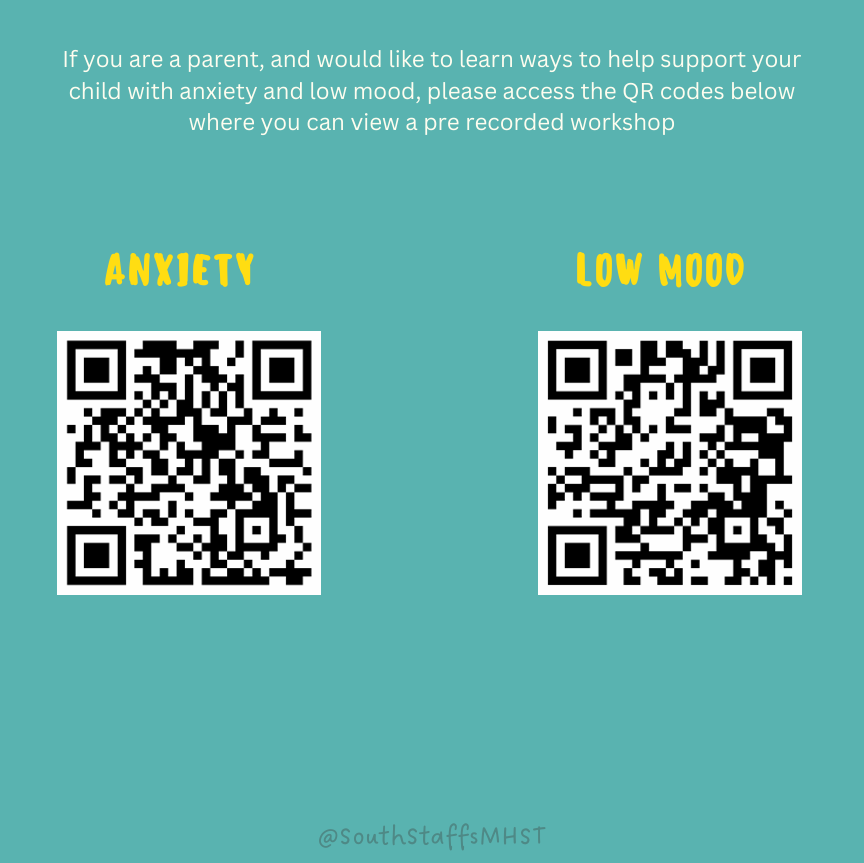
- Offering guidance and signposting to useful resources
- Collaborating on Individual Healthcare Plans where appropriate
This ensures pupils receive consistent support both at home and in school.
Supporting Peers
When pupils are affected by a friend’s mental health difficulties, we offer guidance on how to support safely, recognise warning signs and seek their own help when needed.
Staff Training and Wellbeing
All staff receive training in recognising mental health needs, responding to concerns and following safeguarding procedures. The school also places strong emphasis on staff wellbeing, offering supportive supervision and a positive working environment.